Oxy-Acetylene Cutting & Oxy-Fuel Gases: A B2B Selection Guide
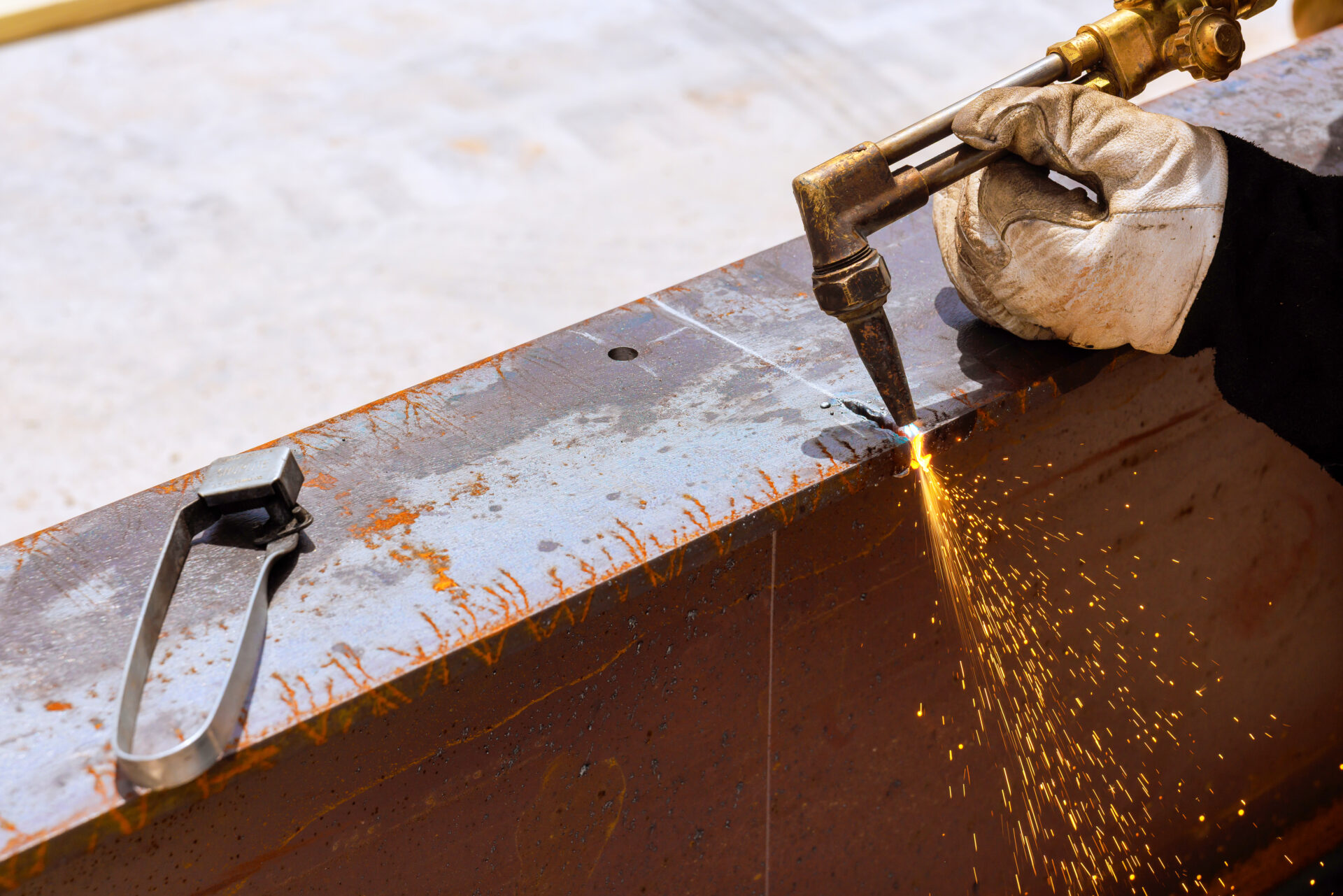
In a fabrication business, “cutting gas” is not one universal product.
Oxy-acetylene cutting and other oxy-fuel processes use oxygen together with a fuel gas to preheat the workpiece, followed by a high-purity oxygen stream that drives the cutting reaction.
Acetylene is one of the best-known fuel gases, but propane and other fuels are also used in industrial cutting. The practical choice depends on the material, process, pierce requirements, operating environment, equipment and the way gas is supplied to the site.
This guide explains the differences from a B2B gas-selection and procurement perspective, without replacing an approved cutting procedure, equipment manufacturer instructions or workplace risk assessment.
Key takeaways
- Oxy-fuel cutting uses oxygen plus a fuel gas. The oxygen jet performs the cutting reaction, while the fuel-gas flame provides preheating.
- Acetylene is valued for its high flame temperature and concentrated heat, which can support rapid preheating and piercing.
- Propane and other fuel gases can also be suitable, particularly where the operating pattern, supply arrangement and equipment favour them.
- Oxy-fuel cutting is principally associated with carbon and low-alloy steels. Stainless steel, aluminium and other materials behave differently because of the oxides they form.
- Industrial buyers should specify process requirements, gas quality, expected consumption, supply format, site conditions and continuity requirements together.
Contents
- What is oxy-acetylene cutting?
- Which gases are used for oxy-fuel cutting?
- Why does oxygen quality matter?
- Why is acetylene used for cutting?
- Acetylene vs propane and other fuel gases
- Which materials suit oxy-fuel cutting?
- Oxy-fuel vs plasma and laser cutting
- Gas supply planning for industrial users
- Safety considerations
- What should procurement specify?
- Frequently asked questions
What is oxy-acetylene cutting?
Oxy-acetylene cutting is a form of oxy-fuel cutting in which acetylene is used as the fuel gas.
The fuel-gas and oxygen flame first heats the steel to its ignition temperature. A separate cutting-oxygen stream then reacts with the heated metal, forming oxides that are removed from the cut.
The Welding Institute’s oxy-fuel cutting guidance explains that the process depends on both the preheat flame and the cutting oxygen. This is an important distinction for buyers: the fuel gas starts and supports the thermal process, but oxygen is central to the actual cutting reaction.
Which gases are used for oxy-fuel cutting?
Every oxy-fuel cutting system requires oxygen and a suitable fuel gas.
| Gas | Main role in the process | Procurement consideration |
|---|---|---|
| Oxygen | Supports preheating and provides the cutting-oxygen stream | Purity, flow, pressure requirement and expected consumption |
| Acetylene | High-temperature, concentrated preheat flame | Process suitability, cylinder/supply arrangement and acetylene-specific safety controls |
| Propane | Alternative fuel gas with different heat distribution | Equipment compatibility, operating pattern and supply format |
| Other fuel gases | May be used in suitable industrial oxy-fuel systems | Approved equipment, process requirements and supplier specification |
The British Compressed Gases Association notes that fuel-gas choice depends on the requirements of the job and the location where it is used, with acetylene and propane among the most common options.
Why does oxygen quality matter in oxy-fuel cutting?
Oxygen is not simply there to make the flame hotter. The cutting stream must support a controlled oxidation reaction and remove the resulting material from the kerf.
TWI states that cutting speed and cut-edge quality are strongly influenced by oxygen purity and identifies at least 99.5% oxygen for the cutting stream in its technical guidance.
For procurement teams, this means the gas specification should be matched to the approved cutting process rather than treating all oxygen supply as interchangeable. Where a production specification defines purity, pressure or flow requirements, those requirements should be included in the purchasing enquiry.
Northline’s Gas Purity Grades guide explains how industrial gas purity specifications should be interpreted more broadly.
Why is acetylene used for cutting?
Acetylene is widely associated with oxy-fuel work because it produces a very high flame temperature in oxygen and concentrates a significant amount of heat close to the primary flame.
That concentrated heat can be useful where rapid preheating and piercing matter, including shorter cuts or operations involving repeated starts.
It does not follow that acetylene is automatically the best fuel gas for every operation. Fuel selection also has to consider overall process economics, equipment, availability, handling, storage, job location and how frequently the system starts and stops.
Acetylene vs propane and other fuel gases
Acetylene and propane have different flame characteristics, so comparing them only by cylinder price misses the point.
| Consideration | Acetylene | Propane |
|---|---|---|
| Preheat characteristic | Hot, concentrated primary flame | Lower flame temperature with more heat distributed in the outer flame |
| Piercing | Can support faster piercing | Typically slower to pierce |
| Supply planning | Acetylene-specific equipment and controls required | Different storage and supply options may be available |
| Best choice | Depends on the approved process, equipment, production pattern, total operating cost and site requirements | |
BCGA publishes a dedicated technical sheet comparing acetylene and propane for welding, cutting and allied processes, while TWI also discusses propane, propylene and natural gas as alternative fuel gases.
For an industrial buyer, the useful question is therefore not simply “Which gas is hotter?” It is “Which fuel gas gives the required process performance with the right equipment, supply arrangement and operating cost for this site?”
Which materials suit oxy-fuel cutting?
Oxy-acetylene cutting, like other conventional oxy-fuel cutting processes, is most closely associated with carbon steels and low-alloy steels because the process relies on the relationship between the metal’s ignition temperature and the behaviour of the oxides formed during cutting.
Materials such as stainless steel, cast iron and non-ferrous metals do not respond in the same way because they can form refractory oxides. They may require different cutting technologies or specialist techniques.
This is why gas selection must start with the material and approved process, not with whichever cylinders happen to be available on site.
Oxy-fuel vs plasma and laser cutting
Oxy-fuel, plasma and laser cutting all separate metal, but they do so in different ways.
| Process | How the cut is produced | Gas-related buying question |
|---|---|---|
| Oxy-fuel | Preheating plus an oxygen-driven oxidation reaction | Which oxygen and fuel-gas combination suits the process? |
| Plasma | High-temperature ionised gas forms the cutting arc | Which plasma/process gas is specified for the system and material? |
| Laser | Focused laser energy with an assist gas | Which assist gas, purity, pressure and supply format are required? |
Northline’s Nitrogen vs Oxygen for Laser Cutting guide covers the assist-gas decision for laser systems in more detail.
For welding rather than cutting, the gas-selection logic changes again. Our MIG Welding Gas Guide and TIG Welding Gas Guide explain shielding-gas selection for those processes.
Gas supply planning for industrial oxy-fuel users
Once the process gas is specified, the next question is how much gas the operation actually needs and how it should be supplied.
A small repair operation and a mechanised fabrication line may use the same gas names but need completely different supply arrangements.
- expected oxygen and fuel-gas consumption
- peak demand and number of simultaneous cutting stations
- required gas specification and process pressure
- cylinder change frequency and reserve stock
- available storage and delivery access
- production impact if gas becomes unavailable
Northline’s Industrial Gas Cylinder Sizes guide explains why cylinder dimensions, water capacity, filling pressure and nominal gas content should not be treated as the same thing.
Where gas use becomes frequent, procurement teams should consider the complete supply arrangement rather than repeatedly increasing cylinder stock without reviewing consumption and handling.
Safety considerations for oxygen and acetylene
Oxy-fuel equipment combines an oxidising gas, a flammable fuel gas, pressurised cylinders and a hot-work process. Those hazards require competent operators, suitable equipment, inspection, maintenance and a workplace risk assessment.
HSE’s acetylene guidance recommends that acetylene is used only by trained people with equipment designed for the purpose. BCGA likewise states that welding and cutting processes should be carried out by competent people using suitable equipment.
For portable or mobile systems, BCGA’s current Code of Practice 7 and TIS 29 cover the safe use, selection and assembly of oxy-fuel gas equipment. Site procedures should also address cylinder storage, segregation, ventilation, fire risk, transport and emergency arrangements.
Northline’s guides to industrial gas cylinder storage and transporting gas cylinders under ADR provide additional B2B context for storage and transport planning.
What should procurement specify when buying oxy-fuel cutting gases?
A strong purchasing enquiry should describe the application rather than asking only for “oxygen and acetylene”.
- Process: manual or mechanised oxy-fuel cutting and the equipment being used.
- Material: material type and the approved cutting procedure.
- Gas specification: required oxygen quality and selected fuel gas.
- Consumption: average use, peak demand and expected operating hours.
- Supply format: cylinder, pack or other approved arrangement appropriate to the site.
- Continuity: required reserve stock and acceptable delivery interval.
- Site details: delivery location, access, storage constraints and applicable documentation requirements.
This gives a gas supplier enough context to discuss the requirement without guessing how the gases will be used.
Frequently asked questions
What gas is used for oxy-acetylene cutting?
Oxy-acetylene cutting uses oxygen and acetylene. The oxygen and acetylene flame preheats the metal, while a separate oxygen stream supports the cutting reaction.
Can propane be used instead of acetylene for cutting?
Yes, propane is used in suitable oxy-fuel cutting systems, but it has different flame and preheat characteristics. The equipment, nozzle, process requirements and operating pattern must be appropriate for the selected fuel gas.
Is oxygen the fuel in oxy-fuel cutting?
No. Oxygen is an oxidising gas, not the fuel. A separate fuel gas such as acetylene or propane is used for preheating, while the cutting oxygen drives the oxidation reaction in the steel.
Can standard oxy-fuel cutting be used for stainless steel or aluminium?
Standard oxy-fuel cutting is principally suited to carbon and low-alloy steels. Stainless steel and aluminium form oxides that make the conventional process unsuitable without specialist techniques, so alternative cutting methods are commonly considered.
Choosing an oxy-fuel gas supply for your operation
For professional users, choosing an oxy-fuel cutting gas is not simply a choice between acetylene and propane.
The better sequence is:
material → approved cutting process → oxygen requirement → fuel gas → expected consumption → supply format → continuity plan.
That approach keeps the gas decision tied to the production requirement rather than treating cylinders as interchangeable commodities.
Northline Distribution supports professional buyers with technical gas supply for welding, cutting, fabrication and manufacturing applications across European markets. Businesses reviewing oxy-acetylene cutting gas supply, oxygen, fuel-gas or wider technical-gas requirements can request a B2B gas supply quote with their application, expected consumption and delivery location.