Private Label Gas Cylinder Sizes: CO₂, Helium & N₂O for B2B Buyers
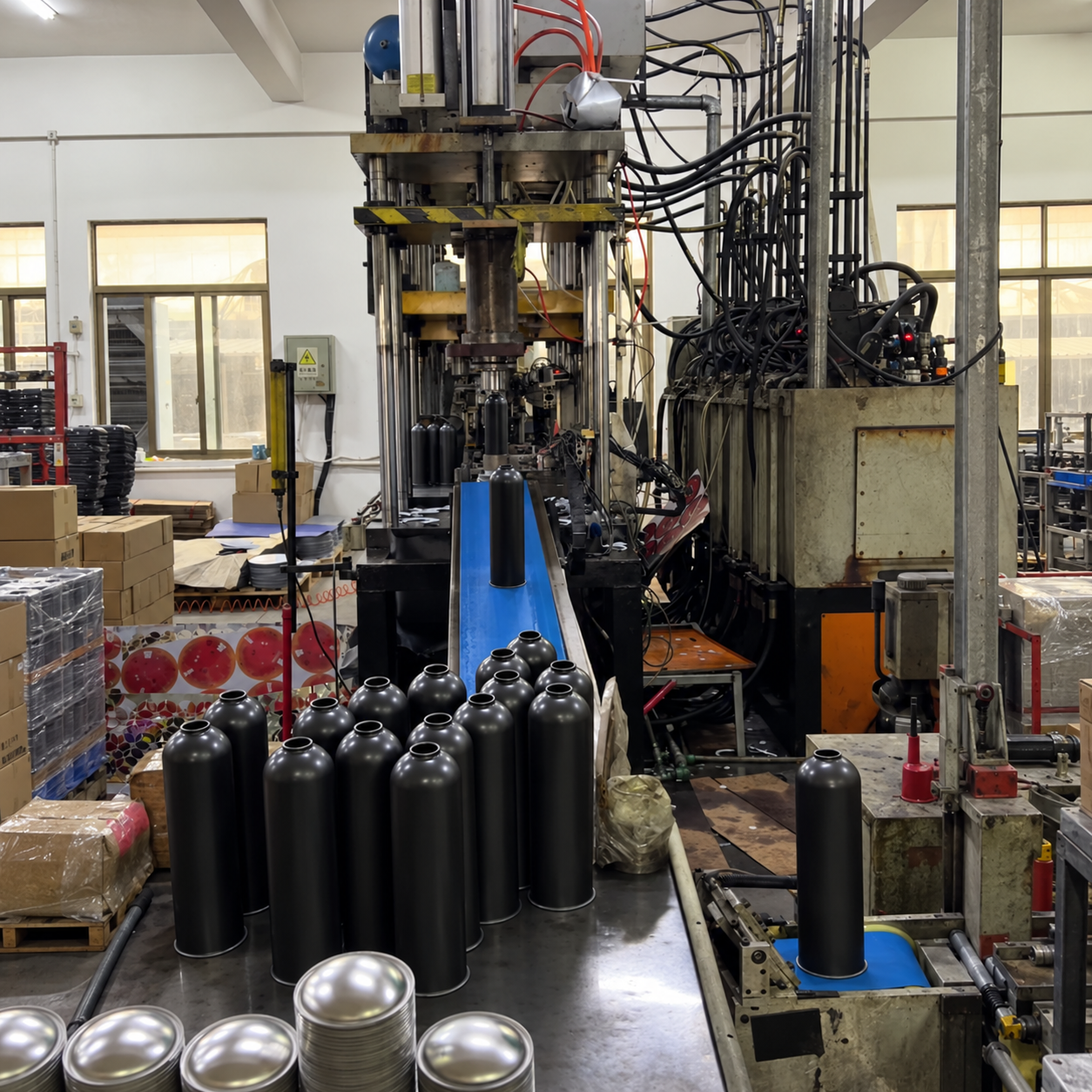
Private label gas cylinder sizes give a distributor, wholesaler or brand owner different ways to build gas products under its own brand while working with a specialist supply partner on the underlying gas, cylinder format, packaging and market requirements. For Northline buyers, the range can include CO₂, helium and food-grade N₂O in multiple commercial formats.
The important point is that private label is not simply a logo exercise. The right product has to fit the end market, application, expected sales volume, packaging model, destination and applicable product requirements. A strong private-label range starts with those decisions before artwork is approved.
This guide explains how B2B buyers can compare Northline’s available CO₂, helium and N₂O formats and plan a range that makes commercial sense.
Key takeaways
- Northline’s private-label programme can cover CO₂, helium and nitrous oxide, subject to the selected product, format and destination.
- Current Northline formats include 8g and 60L CO₂, 3.1L, 7L, 13L and 22L helium, and 8g, 700g and 2100g N₂O.
- Format selection should be based on the buyer’s channel and application, not simply on choosing the largest cylinder.
- Private-label options can include labels, packaging, cylinder presentation and colour options where available for the selected product.
- Mandatory product, transport and cylinder information still applies. Private branding does not replace required compliance markings or documentation.
- Before requesting a quote, buyers should be ready to specify the gas, format, destination, intended application, expected volume and branding requirements.
Table of Contents
What are private label gas cylinders?
Private-label gas supply is a B2B model in which the finished product is presented under the buyer’s own brand while manufacturing and supply are coordinated with a specialist gas partner.
That can include more than the cylinder label. Depending on the selected gas and format, a private-label programme may involve packaging, cylinder colours, product presentation and design support. Northline’s Private Label service is structured for importers, wholesalers and brand owners that want to develop a branded gas range for their target market.
For procurement teams, the commercial question is therefore not only “Can we put our brand on it?” It is “Which product configuration will work for our customers, our distribution channel and our destination?”
Which CO₂, helium and N₂O formats can form a private-label range?
Northline currently works with several formats across its CO₂, helium and nitrous oxide ranges.
| Gas | Available Northline formats | Typical B2B range role |
|---|---|---|
| CO₂ | 8g cartridges; 60L cylinders | Compact cartridge format or larger-cylinder wholesale range |
| Helium | 3.1L; 7L; 13L; 22L cylinders | Retail/event inflation and wholesale cylinder ranges |
| Nitrous oxide (N₂O) | 8g; 700g; 2100g | Professional foodservice and wholesale culinary supply |
These sizes should not be treated as interchangeable. They serve different buyer profiles, pack formats and distribution models. The best range may contain one format, several sizes within one gas category, or a wider multi-gas portfolio.
How should a business choose a private-label CO₂ format?
Northline’s CO₂ range includes 8g cartridges and 60L cylinders. Those formats address very different purchasing and distribution needs, so the decision should start with the intended application and sales channel.
8g CO₂ cartridges
An 8g cartridge is a compact unit that can fit a retail or equipment-compatible product range where small single-use cartridges are the expected format. For a private-label buyer, packaging design, cartridge presentation, carton configuration and destination requirements can be as important as the gas itself.
If the product is intended for food or beverage use, the required gas specification should be confirmed rather than inferred from the cartridge size. Northline’s Food Grade CO₂ vs Industrial CO₂ guide explains why application and specification need to be considered together.
60L CO₂ cylinders
The 60L format is positioned for larger wholesale requirements where the customer is buying a cylinder-based gas product rather than individual cartridges. The commercial considerations shift toward cylinder presentation, storage, transport, handling and replenishment planning.
Buyers comparing cylinder formats should also review Northline’s Industrial Gas Cylinder Sizes guide, which explains why water capacity, gas content, working pressure and physical size should not be treated as the same measurement.
How should a private-label helium range be sized?
Northline’s helium range is available in 3.1L, 7L, 13L and 22L cylinder formats. That gives a brand owner several ways to build a range around portability, expected use and channel positioning.
In the retail and event-inflation market, consumers may search for products such as a “helium tank for balloons,” but the B2B buying decision is broader. A distributor needs to decide which sizes fit the target retailer, how the cylinders will be presented and packed, how much stock a channel can hold, and which formats make sense for repeat ordering.
A smaller cylinder can suit a portability-led retail proposition, while a larger format may suit buyers looking for more capacity per unit. There is no universal “best” helium cylinder size; the right range depends on how the product will be sold and used.
For buyers developing more than one size, the range should be easy to understand at a glance. Clear size differentiation in labels and outer packaging can reduce confusion between similar-looking products.
Which N₂O format suits a private-label range?
Northline supplies food-grade nitrous oxide for commercial whipped-cream applications, with private-label options for B2B buyers. Current formats include 8g chargers, 700g cylinders and 2100g cylinders.
The nitrous oxide product page positions the range for wholesale and professional foodservice supply. The format decision should reflect the intended customer and equipment ecosystem.
| N₂O format | Private-label positioning to consider |
|---|---|
| 8g | Traditional charger format for compatible professional culinary equipment and wholesale packs |
| 700g | Larger-format professional foodservice supply where the target market uses compatible systems |
| 2100g | Higher-capacity professional format for buyers whose channel is built around larger cylinders |
A distributor should not choose a format based only on unit size. Compatibility, intended use, local rules, packaging, transport and the sales channel all need to be confirmed before the range is finalised.
For food applications in the EU, nitrous oxide is listed as food additive E942 and carbon dioxide as E290 under EU food-additive rules. The applicable specification and intended use should therefore be confirmed for the product being placed on the market. The current EU specifications are published in Commission Regulation (EU) No 231/2012.
What can be customised on a private-label gas product?
Private label should create a recognisable product range without obscuring the information that buyers, users, carriers and authorities need.
Depending on the selected gas, format and destination, Northline’s private-label options can include:
- Brand labels — visual identity, brand name and approved product information.
- Outer packaging — branded cartons or packaging presentation where available.
- Cylinder presentation — the overall visual treatment of the product.
- Cylinder colour options — where available and appropriate for the selected format and market.
- Design support — coordination around artwork and product presentation before production.
The final design should be treated as a product-information project as well as a branding project. The label has to work visually, but it also needs enough space for the required product and market information. Northline’s gas cylinder identification guide explains how product labels, permanent markings and colour coding work together.
Should a new brand launch one format or a full range?
More SKUs do not automatically make a stronger launch.
A single-format launch can simplify forecasting, artwork approval, inventory and sales training. A multi-format range can make sense when the buyer already serves several distinct customer groups or wants to cover different price and capacity points from the start.
A useful way to decide is to map each proposed SKU to a real channel:
| Question | Why it matters |
|---|---|
| Who is the customer for this exact size? | Prevents different SKUs from competing for the same buyer without a clear reason. |
| Where will it be sold? | Retail, wholesale and professional channels may need different packaging and pack quantities. |
| How often will it be reordered? | Helps estimate stock requirements and replenishment planning. |
| Does the format require specific compatible equipment? | Important for avoiding a product that does not fit the end user’s setup. |
| Can the buyer explain the difference between sizes simply? | A clear range is easier for distributors and retailers to sell. |
Does private labelling change cylinder or gas compliance requirements?
No. Private branding does not remove the underlying requirements that apply to the gas, cylinder, transport or intended market.
For transportable pressure equipment placed on the EU market, the relevant framework includes Directive 2010/35/EU on transportable pressure equipment. The exact obligations depend on the product and market, but the practical point for a brand owner is simple: decorative branding cannot replace mandatory conformity markings, identification or safety information. For broader procurement context, see Northline’s guide to EU certification standards for industrial gas cylinders.
Transport requirements also need to be planned separately from branding. Northline’s ADR guide for transporting gas cylinders explains the wider transport context for UK and EU businesses.
Because requirements can vary by gas, cylinder type, application and destination, Northline confirms the applicable product details and available supporting documentation during the enquiry process rather than applying one generic specification to every market.
What should buyers plan before production?
The easiest private-label projects are the ones where the commercial decisions are made before artwork reaches final approval.
A buyer should define:
- the gas or gases in the range
- the exact cylinder or cartridge formats
- the destination market
- the intended application
- the expected order volume
- the sales channel
- the required packaging configuration
- brand and artwork requirements
- language and product-information needs
- delivery expectations and stock timing
Production location, manufacturing lead time, freight, customs and delivery planning can all affect the commercial result. Those variables should be confirmed for the specific enquiry rather than assumed from a generic lead-time estimate. For a practical N₂O purchasing example, see our bulk nitrous oxide private-label supply planning guide.
That is why Northline’s private-label process begins with the product, size, destination, order volume and branding requirement before the final quote is prepared.
What should a B2B buyer ask a private-label gas supplier?
A strong supplier discussion should go beyond unit price. Procurement teams should ask questions that expose the full supply model.
- Which formats are available for my target market?
- What exactly can be customised?
- Which elements of the label or cylinder must remain fixed for compliance?
- What packaging configurations are available?
- What product documentation can be provided for the destination?
- What information is needed before artwork approval?
- What order volume and production conditions apply to this configuration?
- How will the product be packed for transport and distribution?
- What should we plan for repeat orders and replenishment?
These questions make the quote more useful because they turn a visual branding request into a complete supply specification.
Private label vs an established gas brand
Private label gives the buyer greater control over how the product is positioned, presented and integrated into an existing portfolio. An established third-party brand can be faster to introduce because the product identity and packaging already exist.
Neither approach is automatically better. Private label is most attractive when the buyer has a clear route to market, understands its target customer and wants to build long-term brand equity around the product range.
For a wholesaler or importer, the key question is whether the business wants to distribute somebody else’s identity or invest in its own. If the answer is the latter, product selection and supply planning become part of the brand strategy.
Frequently asked questions
Can CO₂, helium and N₂O all be private labelled?
Northline offers private-label options across CO₂, helium and nitrous oxide. Available branding, packaging and presentation options depend on the selected gas, format and destination.
What private-label gas cylinder sizes are available from Northline?
Current Northline formats include 8g cartridges and 60L cylinders for CO₂; 3.1L, 7L, 13L and 22L cylinders for helium; and 8g, 700g and 2100g formats for N₂O.
Can cylinder colours and packaging be customised?
Custom labels, packaging, cylinder presentation and colour options may be available depending on the gas, format and destination. The exact options are confirmed during the private-label enquiry.
Does private labelling remove required cylinder markings?
No. Private branding does not replace mandatory product, conformity, transport or safety information that applies to the cylinder and destination market.
What information should I send for a private-label quote?
Start with the gas, cylinder or cartridge size, destination, intended application, expected order volume and branding or packaging requirements. That gives the supplier enough information to confirm the relevant product and supply options.
Building a private-label gas range with Northline
A private-label gas programme works best when brand design follows a clear product strategy. Decide who will buy each format, where it will be sold, what the destination requires and how the range will be replenished. Then build the visual identity around that commercial plan.
Northline Distribution works with importers, wholesalers and brand owners developing branded CO₂, helium and N₂O ranges. Explore the Private Label service or send a B2B enquiry with your gas, format, destination, expected volume and branding requirements.